 EN
EN
 EN
EN AR
AR BG
BG HR
HR CS
CS DA
DA NL
NL FI
FI FR
FR DE
DE EL
EL HI
HI IT
IT JA
JA KO
KO NO
NO PL
PL PT
PT RO
RO RU
RU ES
ES SV
SV IW
IW ID
ID LV
LV LT
LT SR
SR SK
SK SL
SL UK
UK VI
VI ET
ET HU
HU TH
TH TR
TR FA
FA MS
MS BE
BE HY
HY AZ
AZ KA
KA MN
MN MY
MY KK
KK TG
TG UZ
UZ KY
KY
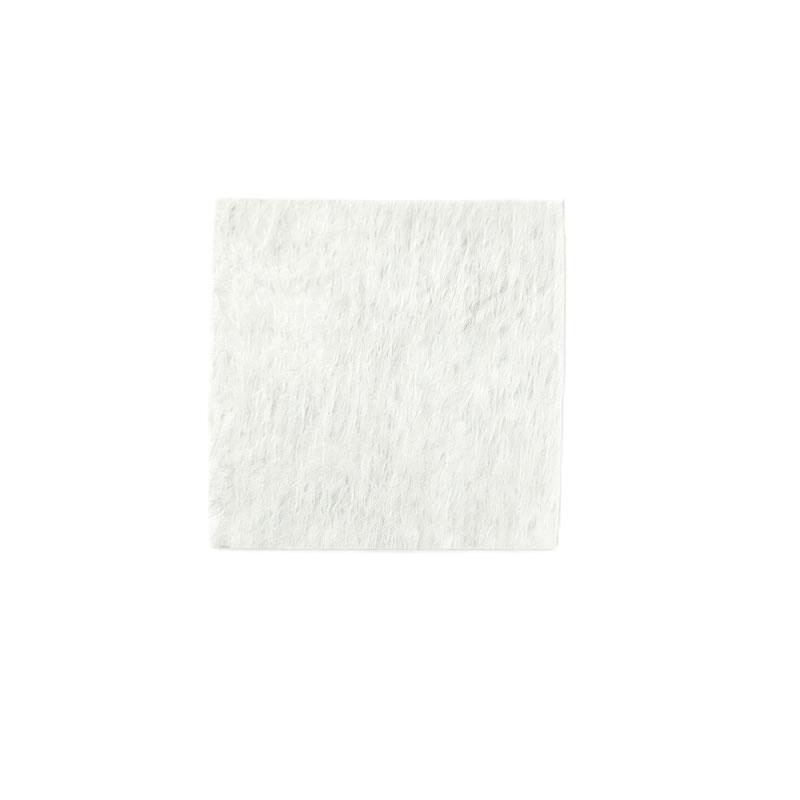
Medical Grade PHMB Alginate Dressing - Antibacterial Hemostatic for Moderate Exudate Wounds
- Advanced Chemical Grafting Technology (Covalent Bond PHMB-Alginate Framework)
- Dual Efficacy: Broad-Spectrum PHMB Antibacterial + Alginate Hemostatic & Moist Healing
- High Absorbency (11× Own Weight) for Moderate Exudate Wound Management
- Controlled PHMB Release - Non-Irritating to New Granulation Tissue
- Sterile Single-Use, Irradiation Sterilized & ISO 13485:2016 Certified
- Soft Conformable Texture - Fits Irregular Wound Contours Perfectly
- Promotes Granulation Tissue Growth & Accelerates Wound Repair
- Global Customization & Regulatory Technical Documents for Local Registration
Product Introduction
This PHMB Alginate Dressing is a high-performance clinical-grade wound care solution that integrates the broad-spectrum antibacterial properties of polyamethylene guanidine (PHMB) with the hemostatic, moisturizing and healing benefits of medical-grade alginate—engineered via advanced chemical grafting technology for the targeted management of moderate exudate acute and chronic wounds. Ideal for hospital postoperative care, clinical wound treatment and specialized wound care centers, it is the premium choice for partial/full-thickness wounds, postoperative surgical wounds, traumatic wounds, venous leg ulcers (VLUs), pressure ulcers (PUs), diabetic foot ulcers (DFUs) and minor bleeding wounds that require antibacterial protection and moist healing support.
Crafted with innovative chemical grafting technology, PHMB molecules (0.4%–0.8% by weight) are stably bound to the alginic acid framework via covalent bonds—eliminating free PHMB and enabling precise, controlled release of the antibacterial agent. This design avoids irritation to fragile new granulation tissue, creating a safe and sustained antibacterial environment for the wound surface while delivering long-lasting inhibition of Staphylococcus aureus, Escherichia coli, Candida albicans and other common wound pathogens, with no risk of antibiotic resistance.
The natural alginate base delivers superior high absorbency (absorbing up to 11 times its own weight in wound exudate), forming a soft gel on contact with fluid to lock in exudate, maintain an optimal moist wound healing environment and promote the growth of granulation tissue—critical for accelerating wound repair. Its soft, flexible and conformable texture fits perfectly to irregular wound contours (e.g., joints, limbs, facial areas) without causing discomfort, and the sterile single-use design prevents cross-contamination. Compliant with ISO 13485:2016 and sterilized by irradiation, this dressing is a versatile and effective solution for moderate exudate wound care across all clinical settings. For global distributors and clinical partners, we offer fully customizable packaging and a complete set of regulatory-compliant technical documents, supporting seamless local product registration and market access across the EU, Middle East, Asia, Africa and all global regions.
Specifications
| Item | Specification |
| Product Code | PHAD01 / PHAD02 / PHAD04 / PHAD06 |
| Sizes | 5cm×5cm, 10cm×10cm, 15cm×15cm, 20cm×20cm |
| Core Material | Medical-grade alginate, polyamethylene guanidine (PHMB, 0.4%–0.8% by weight) |
| Key Technology | Chemical grafting (covalent bond PHMB-alginate framework), controlled PHMB release |
| Antibacterial Spectrum | Broad-spectrum (Staphylococcus aureus, Escherichia coli, Candida albicans) |
| Core Performance | High absorbency (11× own weight), hemostatic, antibacterial, moist healing, non-irritating |
| Dressing Features | Soft conformable texture, gel-forming on exudate contact, sterile single-use, cuttable |
| Suitable Wounds | Moderate exudate partial/full-thickness wounds, postoperative surgical wounds, traumatic wounds, venous leg ulcers, pressure ulcers, diabetic foot ulcers, minor bleeding wounds |
| Sterilization Method | Irradiation sterilization (100% sterile guaranteed) |
| Packaging Type | Individual sterile sealed packaging (medical-grade barrier film) |
| Carton Packaging | 10 pieces/box, clinical/hospital bulk pack |
| Customizable Options | Custom sizes, multilingual packaging printing, branded sterile labels, cuttable sheet variants |
| Shelf Life | 3 years from production date (see packaging for exact expiration date) |
| Storage Conditions | Store in a dry, cool place; protect from direct light, high temperature and high humidity; keep sealed before use |
| Certification | ISO 13485:2016 Medical Device Quality Management System Certified |
| Regulatory Compliance | Supports technical document customization for global medical device registration (EU, Middle East, SEA, Africa, etc.) |
How to Use
- For Clinical Professional Use (Hospitals/Wound Care Centers)
- Follow strict aseptic technique for all application and handling steps.
- Clean the wound area thoroughly with sterile normal saline to remove exudate, debris and necrotic tissue; pat the surrounding skin completely dry and control any minor bleeding (the dressing’s hemostatic properties will assist with residual minor oozing).
- Open the sterile packaging and remove the PHMB alginate dressing—no pre-soaking required (ready for direct application).
- Apply the dressing directly to the entire wound surface, ensuring full coverage of the wound bed; for deep or cavity wounds, gently pack the dressing into the wound (do not overpack to avoid pressure on granulation tissue).
- Cover the dressing with a clean, dry secondary sterile dressing (e.g., gauze, non-woven bandage) for protection and fixation; adjust fixation based on wound location and exudate volume (no tight wrapping required).
- Change the dressing according to wound exudate amount and clinical condition (2-3 days for moderate exudate; daily for heavy exudate or infected wounds) or as directed by a physician. Remove the dressing gently—if it adheres to the wound bed, moisten with sterile normal saline for painless removal.
- For Postoperative Home Care (Under Professional Guidance)
- Wash hands thoroughly with soap and water before and after handling the dressing.
- Clean the wound as instructed by a healthcare provider with sterile normal saline and pat dry gently.
- Apply the PHMB alginate dressing to fully cover the wound surface; secure with a breathable, sterile secondary bandage.
- Avoid getting the dressing wet during daily activities; reapply a new dressing immediately if the dressing becomes saturated or wet.
- Follow the physician’s recommended dressing change schedule; contact a healthcare provider immediately if the wound shows signs of worsening (e.g., increased redness, swelling, pain or exudate).
Global Customization & Compliance Support
- 1. Customizable Product & Packaging Options
- Dressing Customization: Custom cut sizes for specialized clinical use (e.g., large size for extensive postoperative wounds, small size for facial wounds); cuttable sheet variants for cavity wound packing
- Sterile Packaging Customization: Medical-grade sterile barrier film packaging with multilingual printing (product instructions, brand logo, local regulatory marks); custom sterile labels for clinical/hospital branding
- Bulk Carton Customization: Branded carton design, batch number/lot code printing, clinical packaging specification adjustment, enhanced transportation protection for long-distance/global shipping (ideal for high-temperature/humidity regions)
- MOQ Flexibility: Low minimum order quantity for small/medium distributors; preferential bulk pricing and exclusive customization for large hospitals/medical institutions
- 2. Regulatory-Compliant Technical Documents
- ISO 13485:2016 Quality Management System Certification Document
- Product Technical Specification (TS) with full absorbency, antibacterial, hemostatic and biocompatibility test data
- Clinical Validation Report & In Vitro Antibacterial Efficacy Test Report (PHMB release rate & antibacterial performance)
- Irradiation Sterilization Certification & Batch Quality Inspection Certificate
- Material Safety Data Sheet (MSDS)
- Multilingual Product Instructions (clinical/professional/home care version) & Labeling Compliance Document
- Hemostatic & Gel-Forming Performance Test Report (for clinical/registration use)
We offer flexible, clinical-grade customization services tailored to the unique needs of global distributors, hospitals, wound care centers and medical institutions—with low MOQ and no unnecessary mold costs for standard customizations:
Our professional regulatory team provides a complete set of standardized technical documents that comply with ISO 13485:2016 and regional medical device regulations (EU, Middle East, Southeast Asia, Africa, North America, etc.). All documents are fully adjustable and supplementable to meet local registration requirements, with free updates to align with revised regulatory standards—including but not limited to:
Customization & Document Service By Customer Type
| Customer Type | Minimum Order Quantity (MOQ) | Custom Dressing/Packaging Support | Technical Document Service |
| Small/Medium Distributors | ≥50 cartons (single spec) | Custom packaging printing + size selection (no mold cost) | Free basic global compliance documents + multilingual translation |
| Regional Clinical Distributors | ≥200 cartons (single spec) | Full customization (custom sizes + sterile packaging + carton design) | Free localized regulatory documents + product registration guidance |
| Large Hospitals/Medical Institutions | ≥500 cartons (single spec) | Exclusive OEM/ODM + specialized clinical variant customization | Free exclusive regulatory documents + dedicated registration consultant + annual document updates |
Precautions
1. For external clinical use only; do not use on unhealed deep wounds with uncontrolled heavy bleeding, severely necrotic wounds or third-degree burns without the guidance of a physician or wound care specialist.
2. Adhere to aseptic technique during all application, cutting and handling steps to avoid secondary wound infection; do not reuse the sterile single-use dressing.
3. Discontinue use immediately and consult a physician if the wound shows signs of worsening (e.g., increased redness, swelling, pain, exudate, odor or fever) after application, or if skin irritation/allergy occurs around the wound.
4. Keep out of reach of non-clinical personnel/children; store the dressing in the original sterile packaging until use to maintain sterility, absorbency and antibacterial performance.
5. Do not use the product if the sterile packaging is damaged, torn, punctured, damp or the seal is broken—sterility and core performance cannot be guaranteed.
6. Avoid contact with eyes and oral/nasal mucous membranes; if accidental contact occurs, rinse thoroughly with plenty of sterile normal saline immediately and consult a healthcare provider if irritation persists.
7. This product is not suitable for individuals with a known allergy to PHMB, alginate or any other ingredients in the dressing.
8. Do not combine with other topical antimicrobial wound care products without the guidance of a physician or clinical wound care specialist.
9. Follow the specified storage conditions; do not store in high temperature (>30℃), high humidity (>70%RH) or direct sunlight—may affect PHMB stability and alginate absorbency.
10. For cavity/deep wounds, pack the dressing gently (do not overpack); moisten with sterile normal saline before removal if the dressing adheres to the wound bed to avoid secondary damage to granulation tissue.
Contact Information
- Clinical Business Cooperation & Bulk Procurement Consultation
- WhatsApp: https://wa.me/8617788969619 | https://wa.me/8619173969821
- Mobile/WeChat: +86-19173969821 | +86-17788969619
- Official Clinical Email: [email protected] | [email protected]
- Physical Address: 5-8 Floor, A4 International Medical Instrument Industrial Park, No.229 Hunan Lugu Road, Changsha Hi-tech Development Zone, Changsha, Hunan, China
- Global Customization & Regulatory Document Consultation (Clinical Special Line)
- Dedicated Consultant (WeChat/WhatsApp): +86-19173969821
- Service Scope: Dressing customization, packaging design, local product registration document preparation, PHMB efficacy verification, regulatory compliance guidance
FAQ
Q1: What is the benefit of the covalent bond PHMB-alginate framework in this dressing?
A1: The covalent bond design (via advanced chemical grafting) stably binds PHMB molecules to the alginate framework, eliminating free PHMB that can irritate new granulation tissue. It also enables precise, controlled release of PHMB over time, ensuring sustained broad-spectrum antibacterial protection for the wound without sudden release—creating a safe antibacterial environment that supports, rather than hinders, wound healing.
Q2: How does this PHMB alginate dressing work for minor bleeding wounds?
A2: The medical-grade alginate base has natural hemostatic properties—when it comes into contact with blood/wound exudate, it forms a soft gel that adheres to the wound surface, helps seal small blood vessels and stops minor oozing. At the same time, the controlled-release PHMB provides immediate antibacterial protection to prevent infection at the bleeding wound site, delivering dual hemostatic and antibacterial benefits in one step.
Q3: Why is the dressing’s 11× absorbency ideal for moderate exudate wounds?
A3: The 11× own weight absorbency is calibrated for moderate exudate wounds—it locks in sufficient exudate to keep the wound bed moist (critical for healing) without becoming oversaturated (which can lead to maceration of surrounding healthy skin). For heavy exudate wounds, the dressing can be combined with an absorbent secondary dressing or changed more frequently to maintain optimal wound conditions.
Q4: Can the dressing be cut to fit irregular wound contours, and does cutting affect its performance?
A4: Yes, the soft, flexible alginate dressing can be cut to any custom size/shape with sterile scissors (aseptic technique required) to fit irregular wound contours (e.g., joints, heels, facial wounds). Cutting does not affect the dressing’s core performance—the PHMB-alginate framework is uniformly distributed throughout the entire dressing, so all cut edges and surfaces retain full absorbency, antibacterial and hemostatic properties.
Q5: What is the difference between this PHMB alginate dressing and traditional alginate dressings?
A5: Traditional alginate dressings only provide hemostatic and moist healing benefits, with no inherent antibacterial protection—requiring combination with other antibacterial products for infected/at-risk wounds. This PHMB alginate dressing integrates broad-spectrum PHMB antibacterial protection with all the benefits of traditional alginate (hemostatic, high absorbency, gel-forming) via chemical grafting, creating an all-in-one solution that eliminates the need for multiple products and simplifies wound care.
Q6: Does the dressing form a gel on contact with exudate, and how to remove it painlessly?
A6: Yes, the alginate base forms a soft, non-adhesive gel on contact with wound exudate/blood—this gel maintains a moist wound environment and prevents the dressing from sticking to the wound bed in most cases. If the dressing does adhere (e.g., in low-exudate wounds), simply moisten the dressing with sterile normal saline for a few seconds to reactivate the gel, then remove it gently with no pain or secondary damage to granulation tissue.
Q7: Is this dressing suitable for pediatric and geriatric patients with sensitive skin/fragile wounds?
A7: Yes. The dressing features a soft, conformable and non-irritating texture (no free PHMB, controlled release formula) that is safe for pediatric and geriatric patients with sensitive skin or fragile granulation tissue. The gel-forming effect and painless removal make it ideal for patients who may be sensitive to dressing changes, and the hemostatic/antibacterial dual action is well-suited for the minor traumatic wounds common in children and pressure ulcers in the elderly.
Q8: Does this dressing require refrigeration for storage or international transportation (e.g., to the Middle East/Southeast Asia)?
A8: No. This dressing is a room temperature-stable medical device—refrigeration is not required and may cause condensation that damages sterile packaging and reduces alginate absorbency. For international transportation to high-temperature/humidity regions, we recommend insulated and moisture-proof shipping cartons to avoid prolonged exposure to extreme heat (>40℃) and high humidity (>70%RH), aligning with our storage guidelines (dry, cool, protected from light).
Q9: What is the recommended dressing change frequency for different wound types?
A9: For postoperative surgical wounds (moderate exudate): change every 2-3 days; for chronic ulcers (VLUs/DFUs/PUs, moderate exudate): change every 2 days; for minor traumatic/bleeding wounds: change daily until bleeding stops, then every 2-3 days; for mildly infected moderate exudate wounds: change daily to monitor wound condition and maintain antibacterial efficacy. Always adjust based on clinical wound condition and exudate volume as directed by a physician.
Q10: Do you provide clinical training for healthcare staff on using this dressing for cavity/deep wound packing?
A10: Yes. For bulk clinical procurement by hospitals/wound care centers, we provide free online clinical application training (conducted by our wound care specialists) covering aseptic application, custom cutting, gentle cavity/deep wound packing, dressing removal techniques and troubleshooting for moderate exudate wounds. We also provide a printable multilingual clinical application guide (with step-by-step images) for on-site staff training and reference.