 EN
EN
 EN
EN AR
AR BG
BG HR
HR CS
CS DA
DA NL
NL FI
FI FR
FR DE
DE EL
EL HI
HI IT
IT JA
JA KO
KO NO
NO PL
PL PT
PT RO
RO RU
RU ES
ES SV
SV IW
IW ID
ID LV
LV LT
LT SR
SR SK
SK SL
SL UK
UK VI
VI ET
ET HU
HU TH
TH TR
TR FA
FA MS
MS BE
BE HY
HY AZ
AZ KA
KA MN
MN MY
MY KK
KK TG
TG UZ
UZ KY
KY
 Popular News
Clinical Solutions for Diabetic Foot Ulcers
2026-03-30


You are here: Home > Solution > Skin Barrier Repair > Clinical Solutions for Diabetic Foot Ulcers

Core Pathological Characteristics of Diabetic Wounds

Precision Clinical Solution for Diabetic Foot Wagner Classification

General Clinical Management Principles for Diabetic Wounds

Core Advantages of Hairun Diabetes Wound Specialized Dressing

Extended Clinical Applications

Product Consultation and Collaboration
The pathological mechanisms of diabetic wounds are unique, and their four core characteristics directly determine the rationale for clinical dressing selection and nursing interventions:

Even in the absence of obvious signs of infection, the wound is often contaminated. Lower limb ulcers frequently present with mixed infections predominantly caused by Staphylococcus aureus and anaerobic bacteria.

The necrotic tissue layers in post-infection ulcers are deep and complex, making complete removal difficult through conventional surgical procedures. This often results in residual micro-infectious sources, leading to recurrence.

Peripheral vascular atherosclerosis leads to severe local hypoperfusion, resulting in inadequate delivery of both antimicrobial agents and reparative factors, as well as delayed bacterial clearance.

Superficial ulcers can rapidly progress to deep infections or even tissue gangrene. A hierarchical intervention mechanism should be established clinically to dynamically adjust Treatment Protocols based on wound progression.
The application of the internationally recognized Wagner classification system for diabetic foot assessment serves as the foundation for developing precision treatment plans.

No ulceration is present, but risk factors such as neurovascular lesions are identified.

Surface ulceration is present without clinical signs of infection.

Deep ulcer with soft tissue inflammation, without abscess or bone infection.

Deep infection, accompanied by bone tissue lesions or abscess formation.

Localized gangrene commonly occurs in the toes or heel area.

Complete gangrene of the entire foot represents the most severe clinical presentation.
The grading criteria refer to internationally recognized guidelines, aiming to assist clinical diagnosis and treatment decision-making.
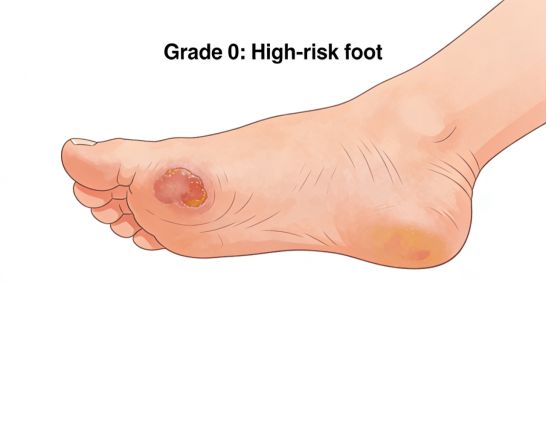
Prevent wound formation, protect foot skin, avoid minor injuries such as friction and compression, and take preventive measures before complications arise.
Diabetic patients with concomitant neuropathy/vascular complications, foot deformities, or a history of ulcers require close monitoring.
Maintain adequate skin hydration of the feet and select breathable, soft dressings. In case of abnormalities, promptly apply medical-grade chitosan liquid dressing for gentle spraying to protect mucous membranes and prevent exacerbation.
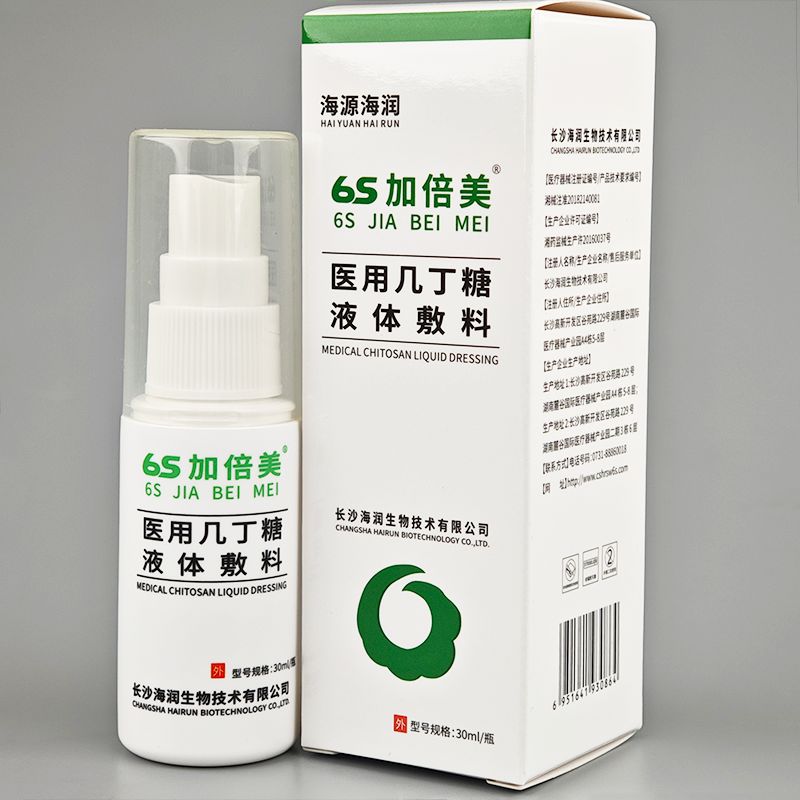
Repair skin barrier · Alleviate erythema and induration
Physical Antimicrobial Therapy · Prevention of Wound Infection
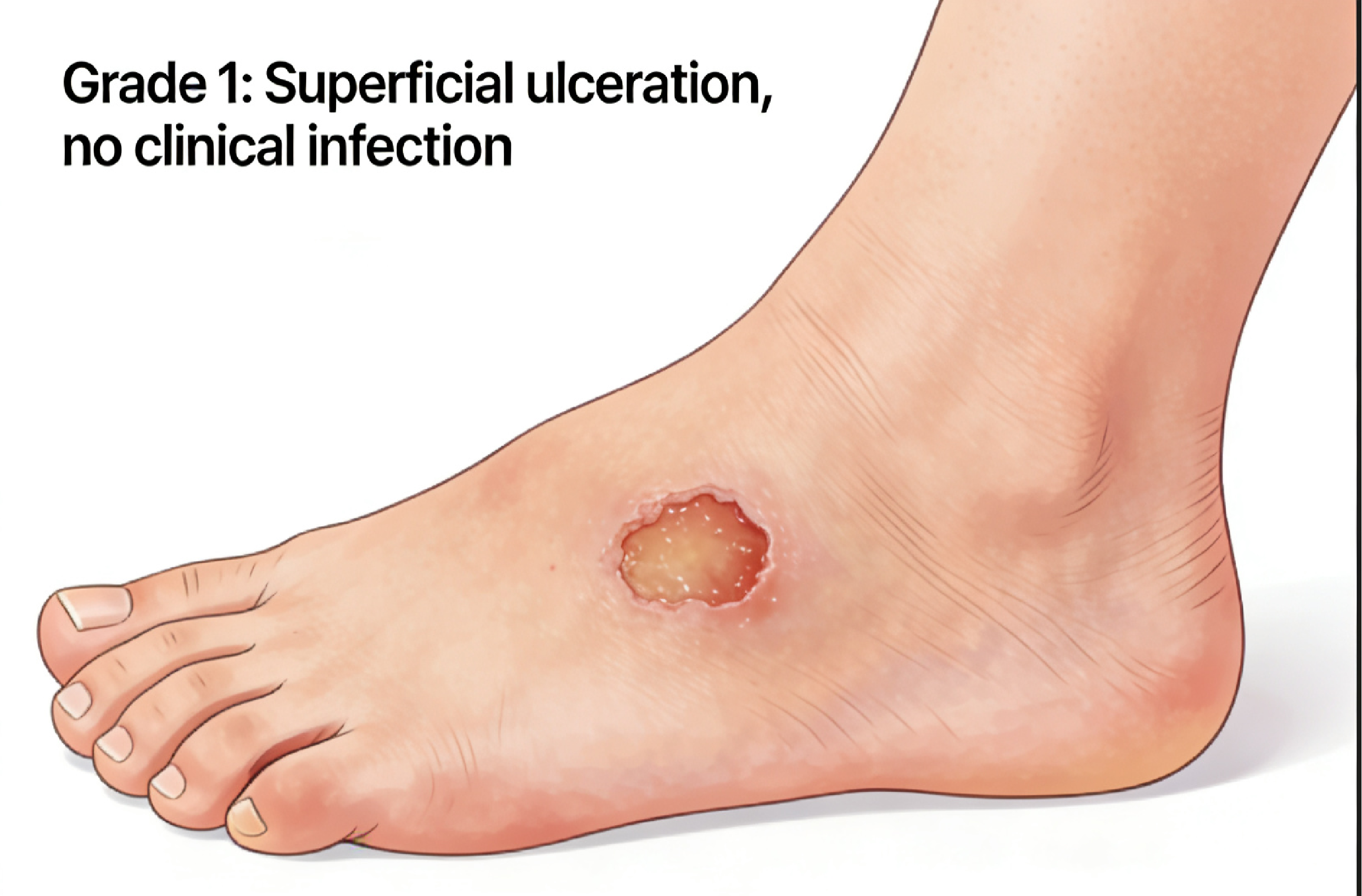
Protect superficial wounds, promote epidermal repair, and prevent external contamination.
Gently clean the wound surface with normal saline, and lightly wipe the surrounding skin with povidone-iodine. Directly apply Hairun self-adhesive activated carbon fiber dressing to cover the area, which absorbs minor exudate and forms a breathable protective layer.
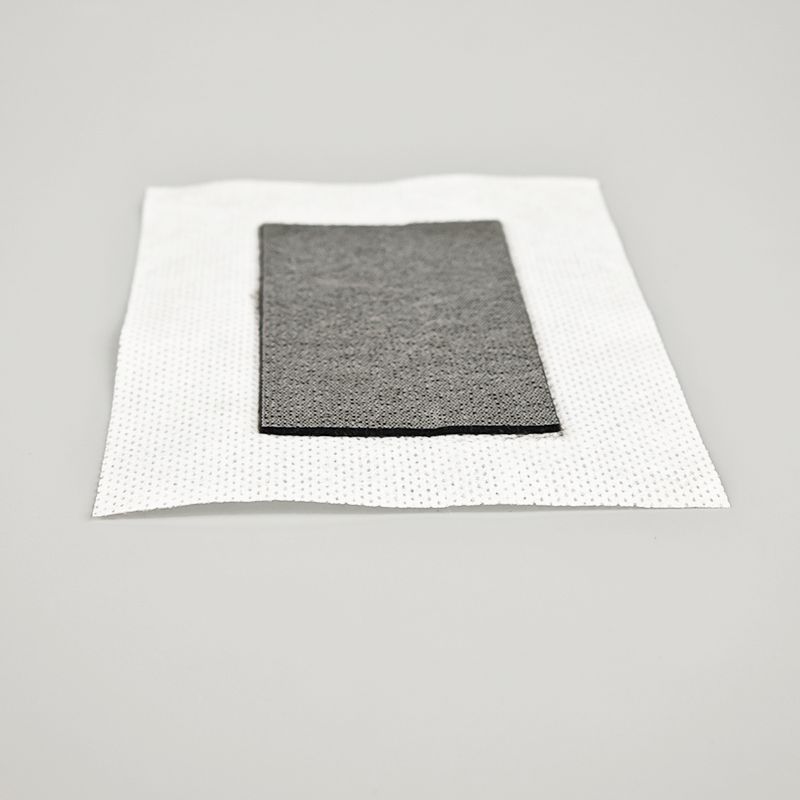
Self-adhesive activated carbon fiber dressing (Ag)
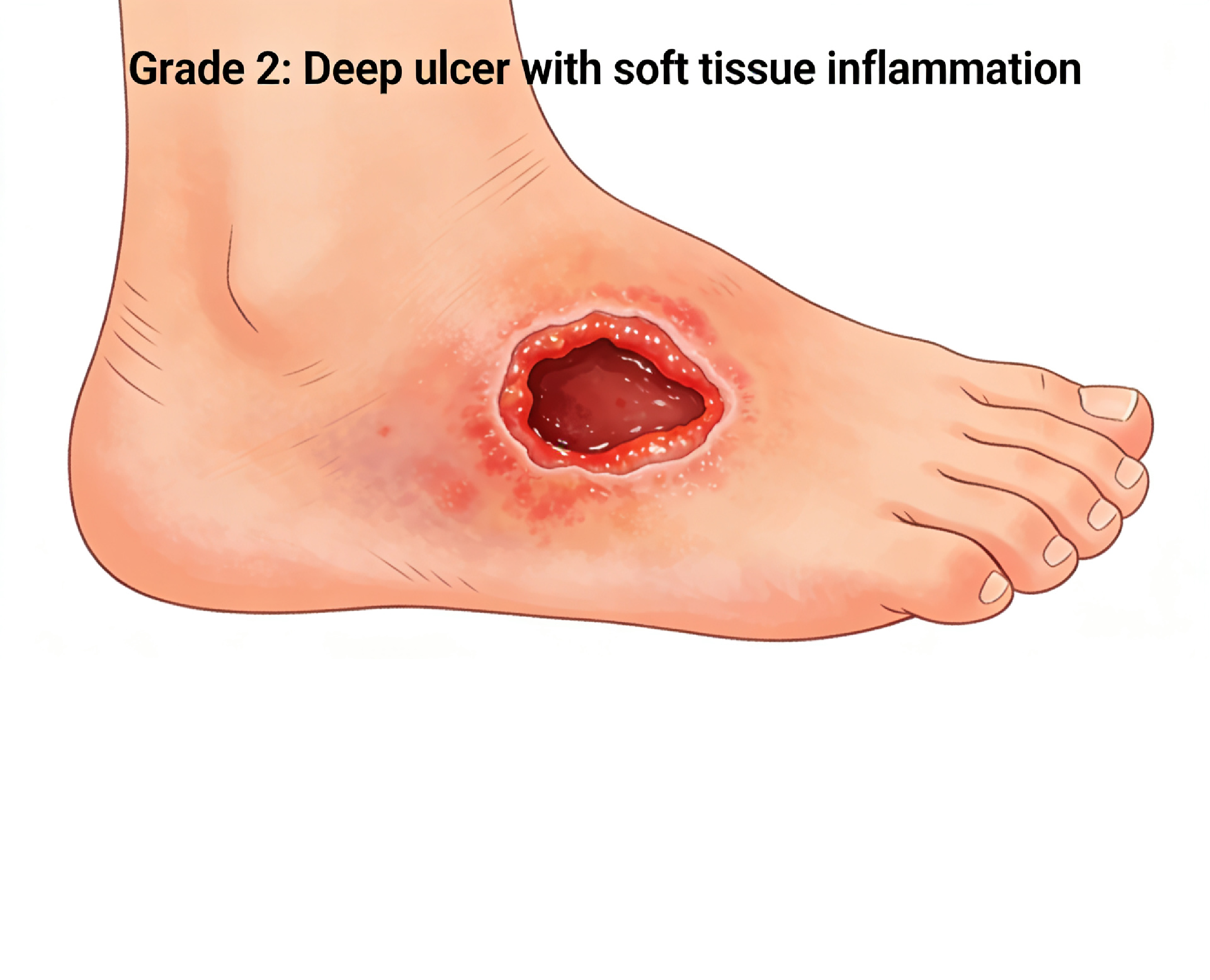
Exhibits mild antibacterial activity, promotes exudate absorption, repairs wound base, and prevents infection spread.
1. Flexible debridement removes surface necrotic tissue, periphery is disinfected with povidone-iodine, and the wound surface is irrigated.
2. For minor exudate, apply Silver Healing Bio-gel Dressing and use non-adhesive activated carbon fiber dressing on the outer layer to absorb the exudate.
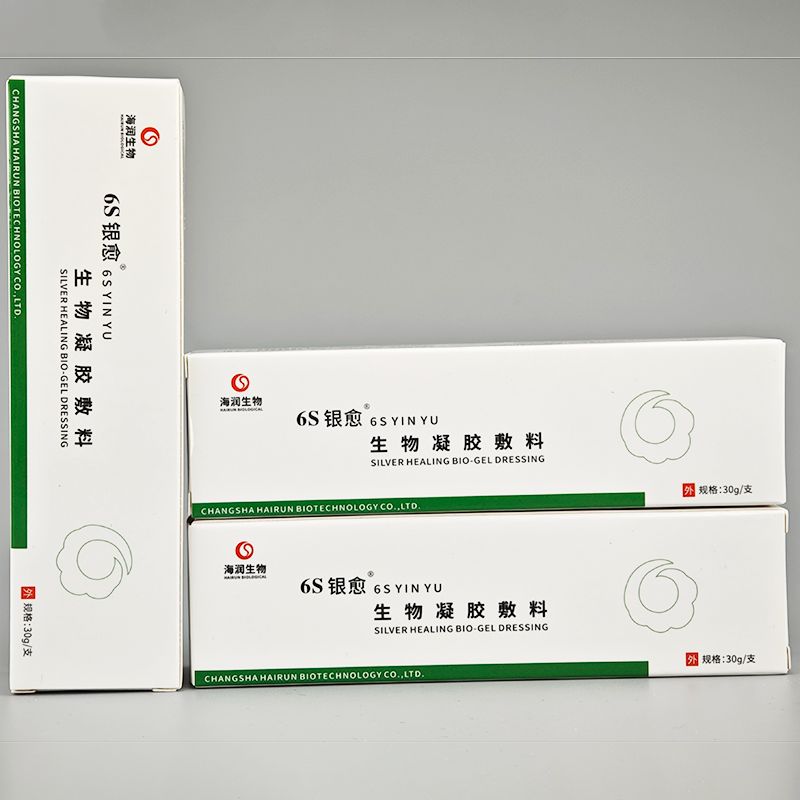
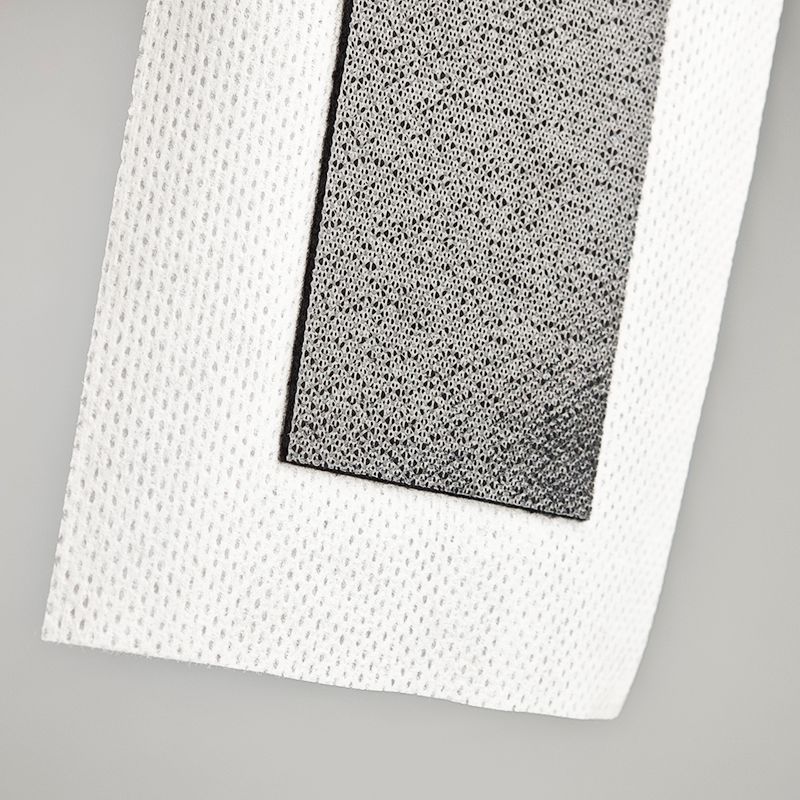
Silver Healing Biogel Dressing, non-self-adhesive activated carbon fiber dressing
Through the combined approach of rinsing + application + absorption, it effectively addresses the challenges of debridement, anti-infection management, and exudate control for grade 2 ulcers, thereby accelerating wound healing.
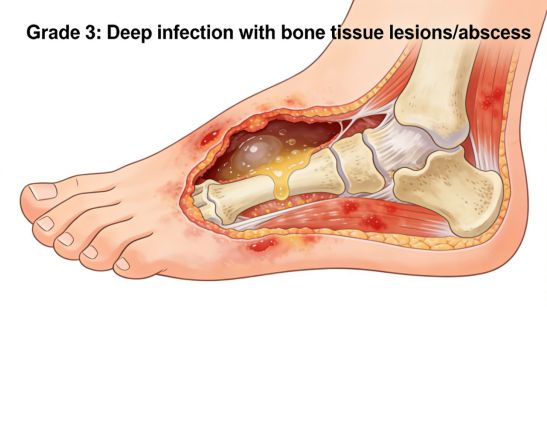
Exert potent antibacterial effects, achieve thorough drainage, eliminate infected tissues, and control systemic infection risk.
1. Conservative acute debridement and drainage after improving blood circulation;
2. Irrigate with high-molecular-weight antibacterial liquid dressing, followed by application of Silver Healing Bio-gel Dressing;
3. Inner layer: silver ion antibacterial dressing, outer layer: activated carbon fiber dressing.
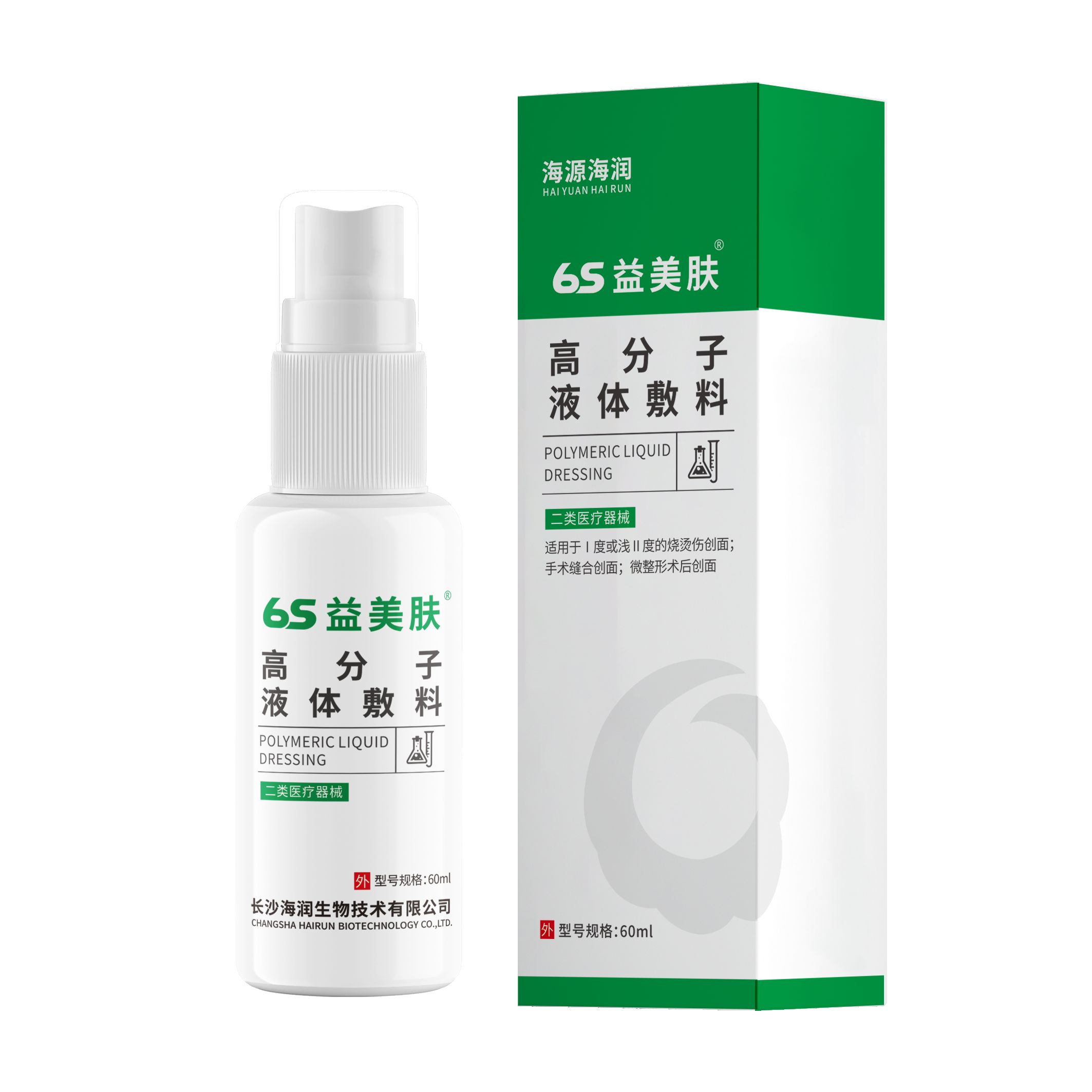
Active Factor Biofabric
For wound irrigation and assisted debridement
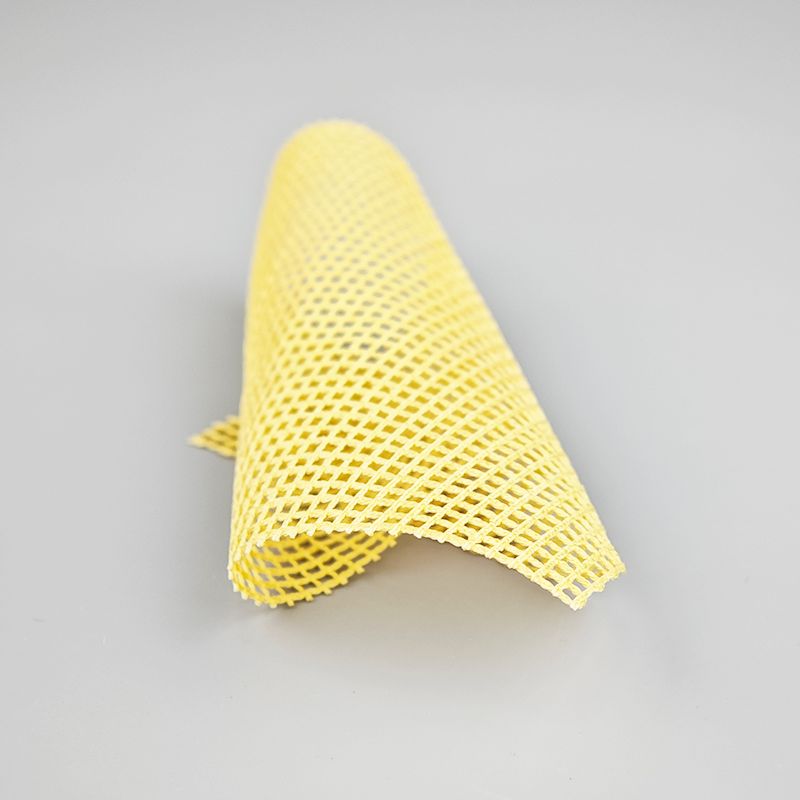
Functional Antibacterial Dressing
Sustained antibacterial effect to prevent recurrence
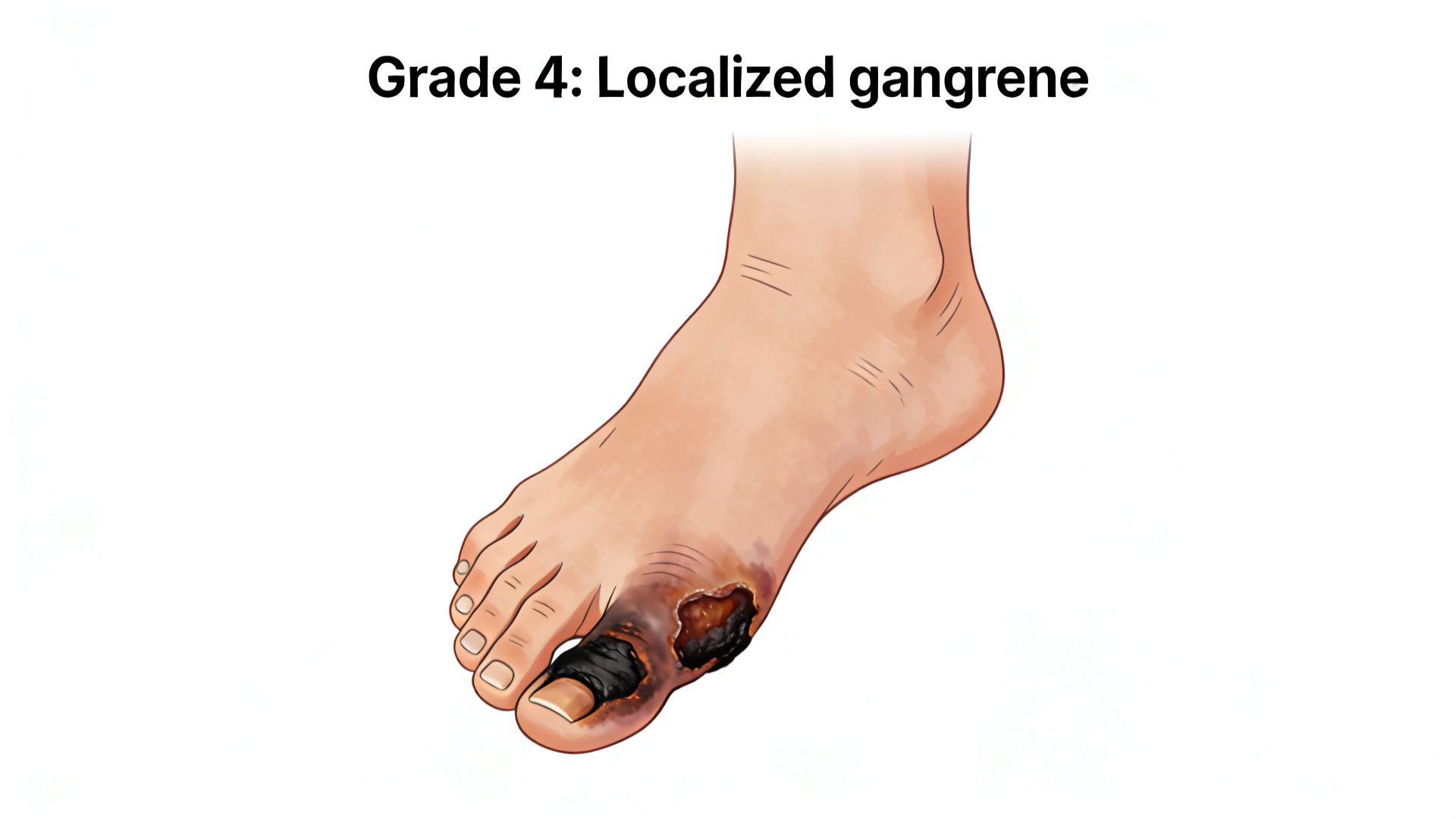
Exerts potent antibacterial and infection-control effects while protecting healthy tissues, thereby creating favorable conditions for subsequent debridement/surgery.
The dressing selection prior to debridement follows the same criteria as Level 3, with priority given to high-molecular-weight antibacterial liquid dressings for irrigation, followed by coverage with Silver愈 Bio Gel antibacterial dressing and silver ion antibacterial dressing. After infection control, blood supply assessment is performed, followed by targeted debridement to remove necrotic tissue.
Core compatible product for grade 3 diabetic foot.
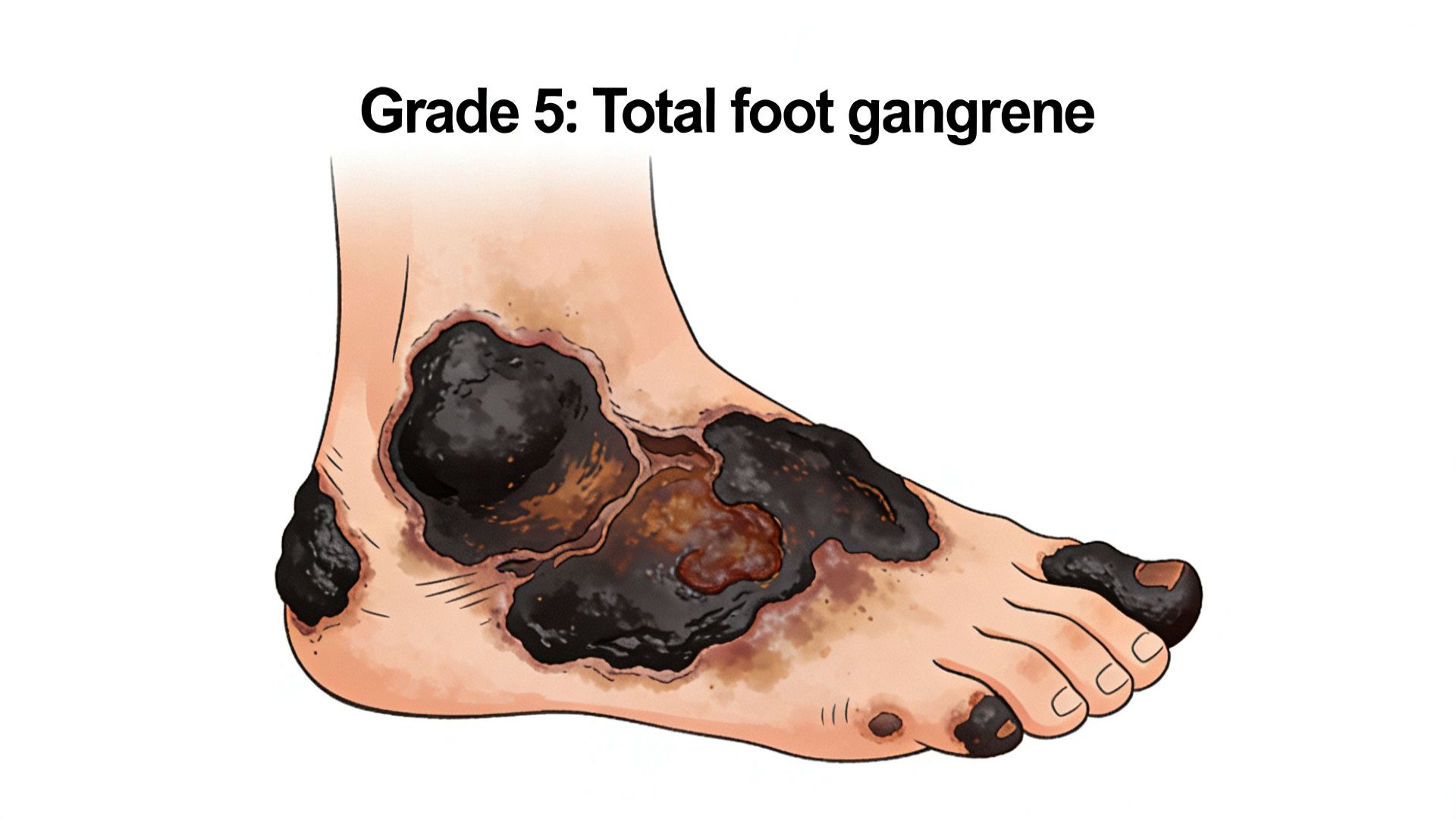
Local treatment was performed at Grade 3, with continuous irrigation using high-molecular-weight antibacterial liquid dressings, application of YinYu Bio-Gel, and full coverage with silver ion antibacterial functional dressings to prevent infection dissemination to the systemic level.
Local potent antibacterial action prevents infection spread and, when combined with systemic anti-infective therapy, buys time for surgical evaluation.
Core compatible product for grade 3 diabetic foot.
Optimizing Perfusion is the prerequisite, First, improve lower limb blood supply through clinical interventions. followed by debridement procedures.
Avoid aggressive debridement to maximize the maximize the protection ofthe wound repair base.
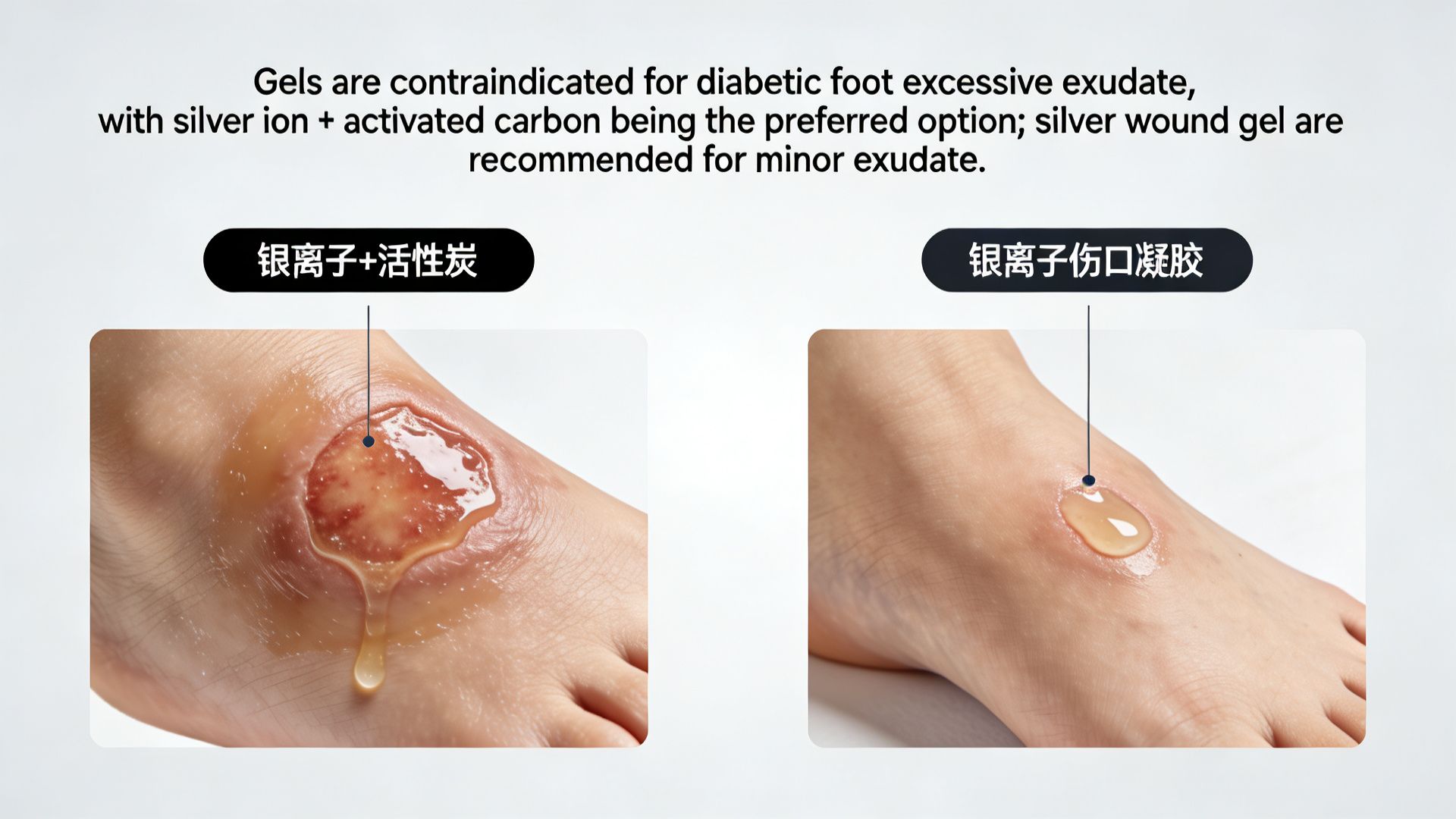
A unified strategy of "inner layer antibacterial + outer layer adsorption" is adopted for infected wounds.
Replace dressings promptly and dynamically adjust the treatment regimen based on wound healing progress.
To address the three major requirements of "antimicrobial, adsorption, and wound repair" for diabetic wounds, a series of specialized dressings have been developed to comprehensively meet clinical nursing challenges.
Silver ions and chitin series dressings demonstrated significant inhibitory effects on common pathogenic bacteria.
Activated carbon fiber dressings can rapidly absorb exudate and purulent secretions.
Chitin sugar liquid/active factor dressing provides gentle wound protection and promotes healing.
The dressings are available in self-adhesive/non-self-adhesive types, with complete specifications and convenient operation.
Aseptic handling, non-irritating, suitable for long-term care.
Provide healthcare professionals with reliable and professional diabetes wound management solutions.
In addition to diabetic wounds, Hairun also provides specialized solutions for other departments, covering a variety of clinical scenarios:

Deep Wound Repair and Nursing

Fine suturing and postoperative healing

Decompression protection and wound regeneration

Professional Support Commitment: We are committed to providing professional wound care support to more patients, continuously improving clinical treatment outcomes through multidisciplinary collaboration and technological innovation.
The full range of Hairun diabetes wound-specific dressings meets the clinical needs of endocrinology departments, supporting department-specific customization and specification selection.
For detailed product specifications, clinical application cases, and collaboration policies, please contact us directly via online consultation or telephone:

We will provide you with professional guidance on clinical dressing application.