 EN
EN
 EN
EN AR
AR BG
BG HR
HR CS
CS DA
DA NL
NL FI
FI FR
FR DE
DE EL
EL HI
HI IT
IT JA
JA KO
KO NO
NO PL
PL PT
PT RO
RO RU
RU ES
ES SV
SV IW
IW ID
ID LV
LV LT
LT SR
SR SK
SK SL
SL UK
UK VI
VI ET
ET HU
HU TH
TH TR
TR FA
FA MS
MS BE
BE HY
HY AZ
AZ KA
KA MN
MN MY
MY KK
KK TG
TG UZ
UZ KY
KY

 Popular News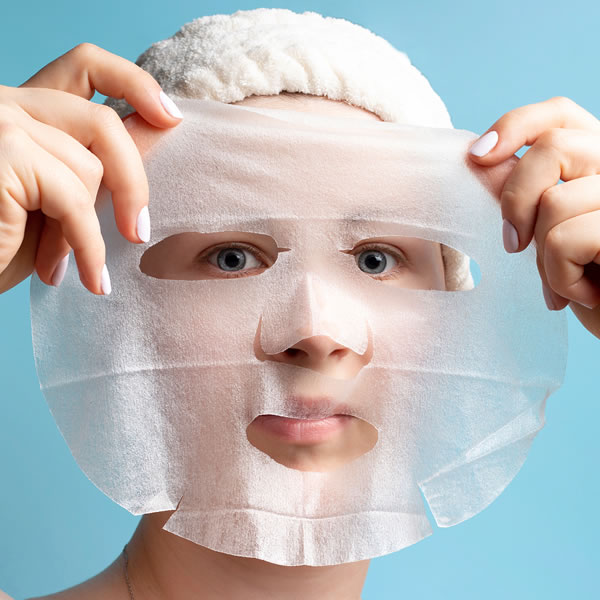
Clinical Solutions for Damaged Skin Barrier
2026-03-31


You are here: Home > Solution > Skin Barrier Repair > Clinical Solutions for Damaged Skin Barrier
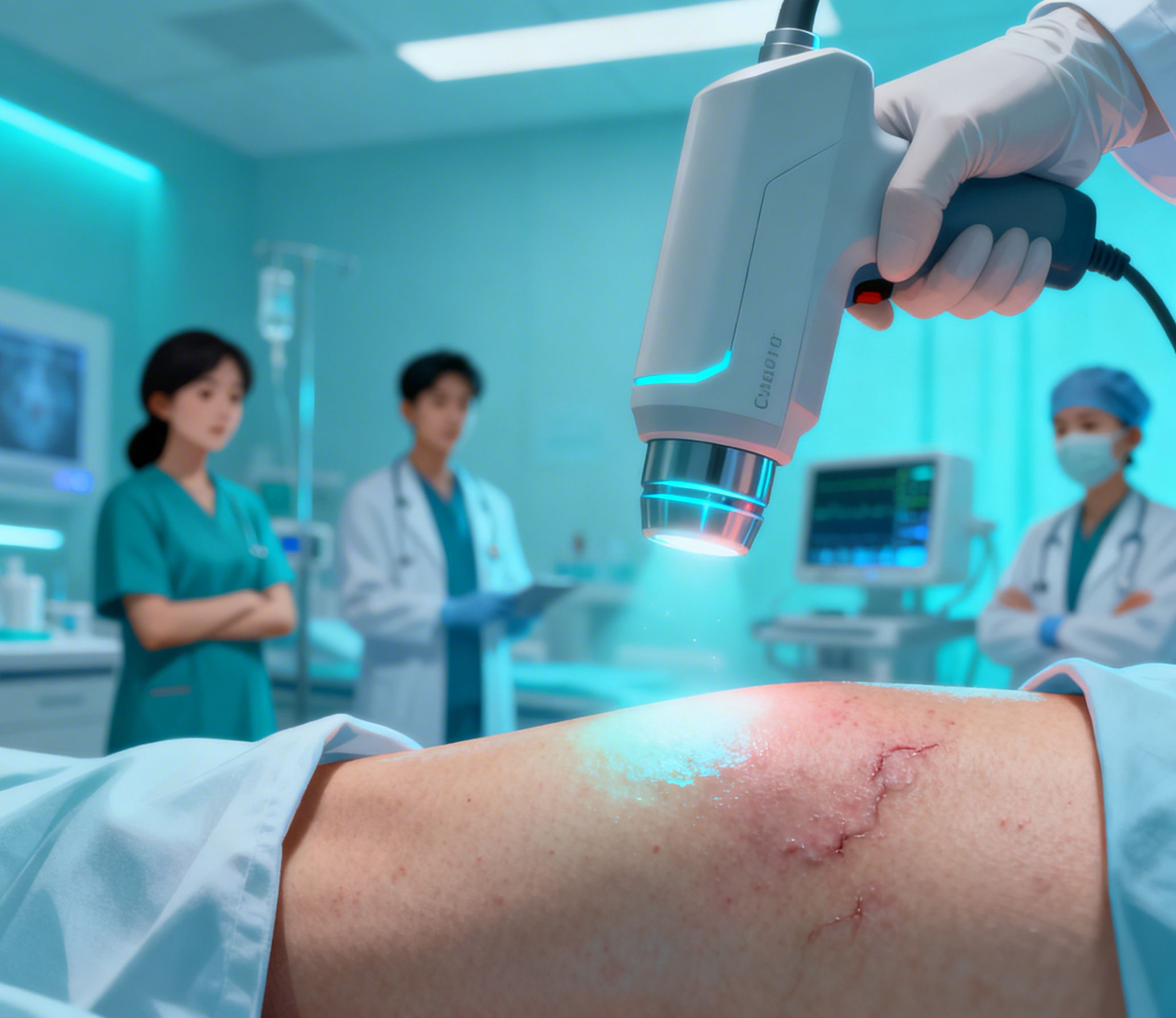
Individuals with dermatitis often have compromised skin barrier function, making them highly susceptible to inflammation. They are a key target group for skin barrier repair.
Patients who have undergone medical aesthetic procedures require special care to restore their damaged skin barrier, placing them within the applicable population.
Those who have had aesthetic photon treatments may experience skin barrier damage, necessitating targeted repair and making them part of the applicable group.
A common symptom of skin barrier damage, the product aims to alleviate such abnormal skin manifestations.
These symptoms cause significant discomfort to patients and are key issues the product seeks to resolve to improve skin comfort.
These symptoms are typical signs of a damaged skin barrier. The product's core objective is to improve these issues and restore the skin to a normal state.
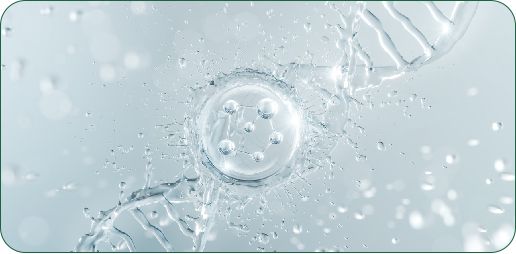
Priority should be given to products containing hyaluronic acid, ceramide, and cholesterol, which work synergistically to repair the skin barrier.
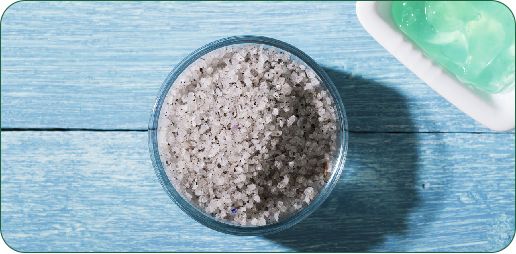
Hyaluronic acid (HA) is recognized as a first-line repair ingredient, with strong water-locking capabilities that reduce transepidermal water loss (TEWL) and promote keratinocyte migration, accelerating barrier repair.
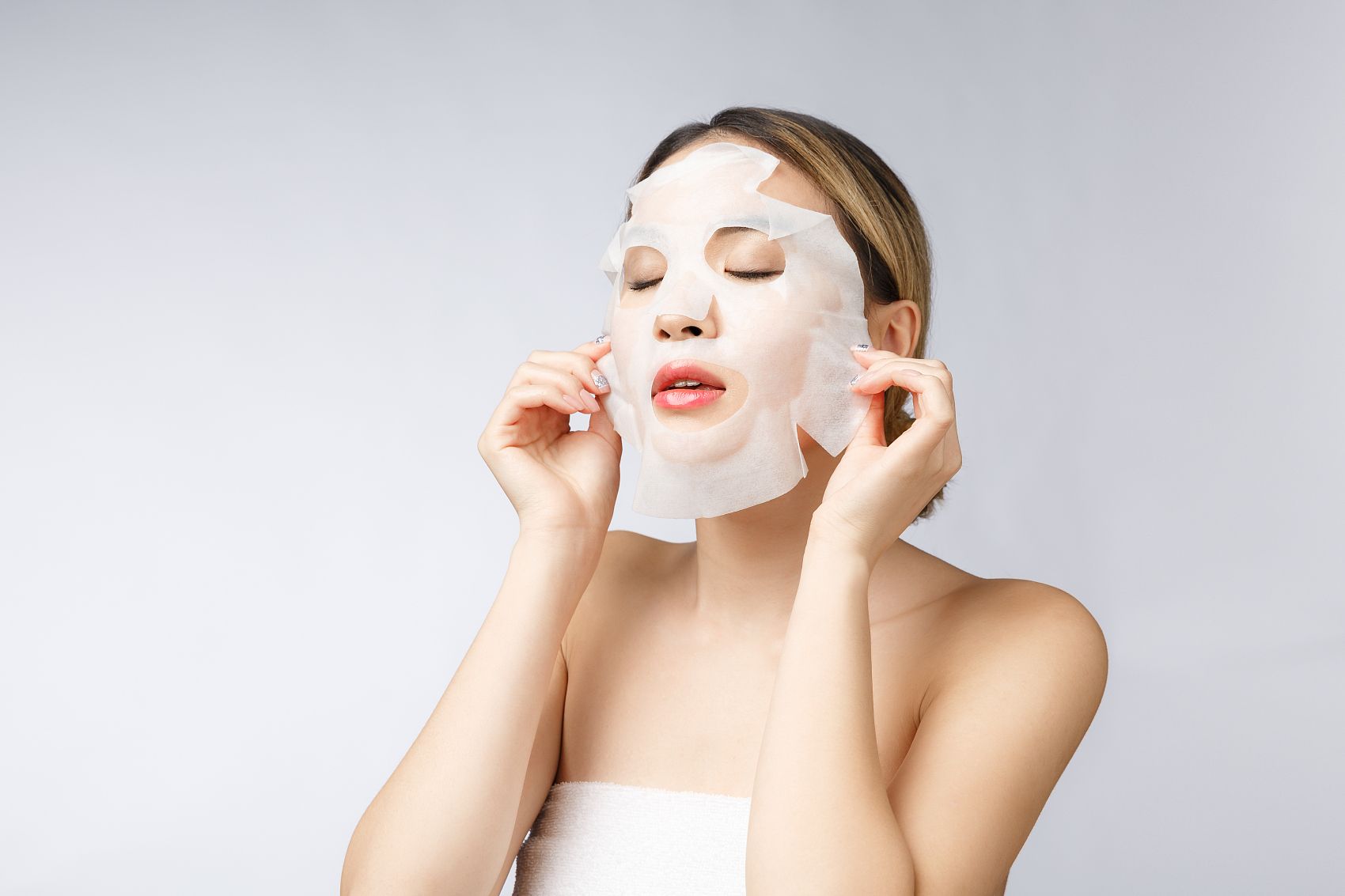
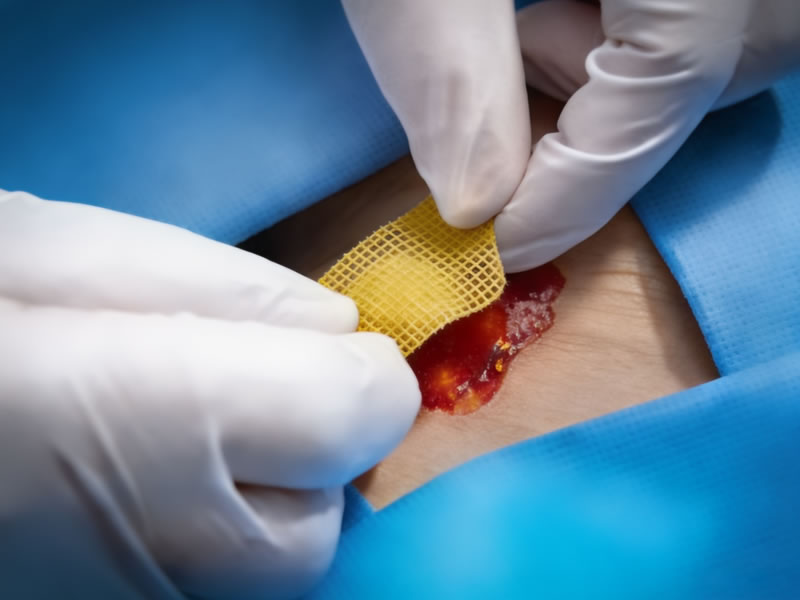
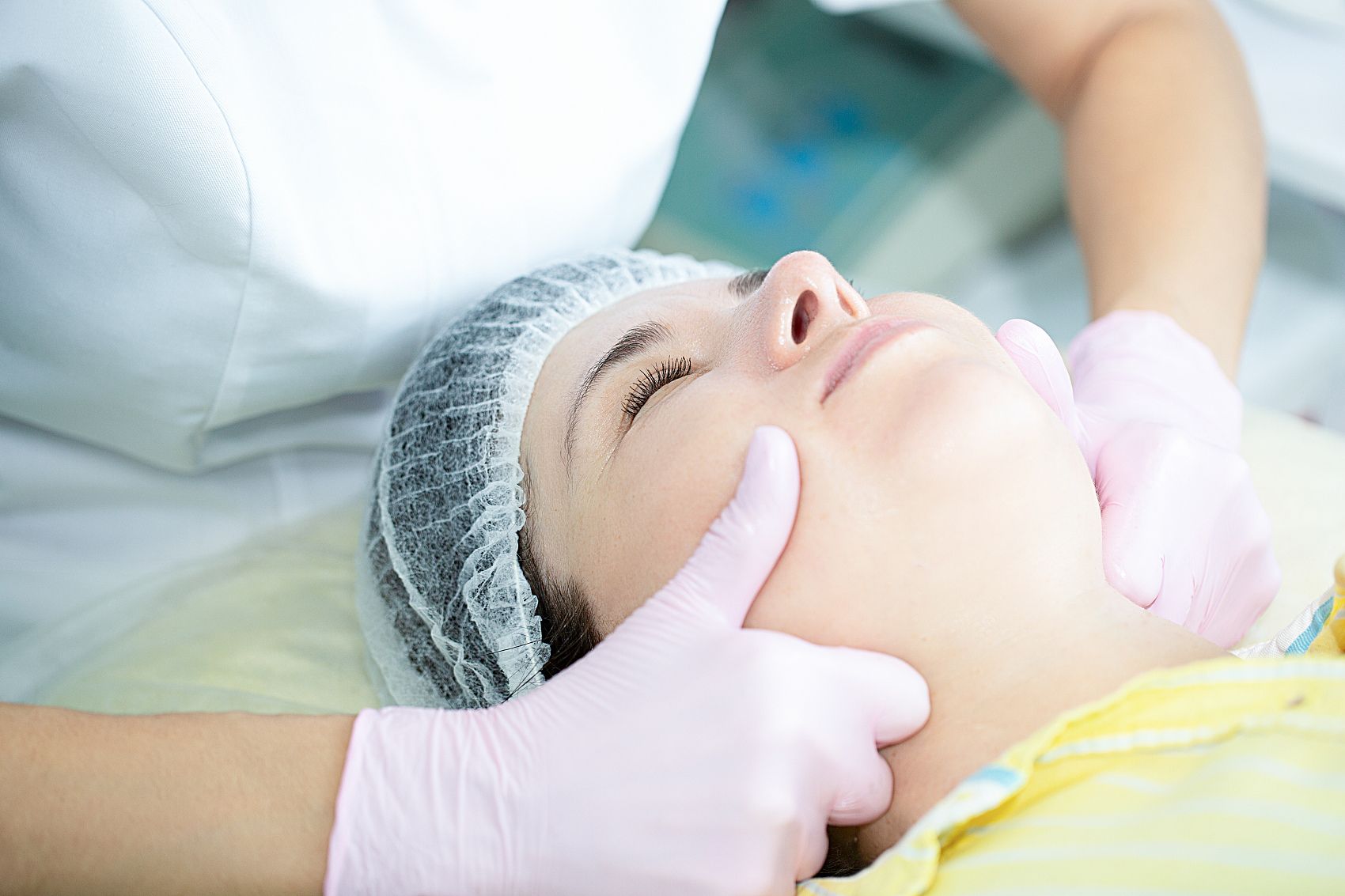
After phototherapy or minimally invasive surgery, non-irritating occlusive dressings are necessary to avoid secondary damage to the compromised skin.
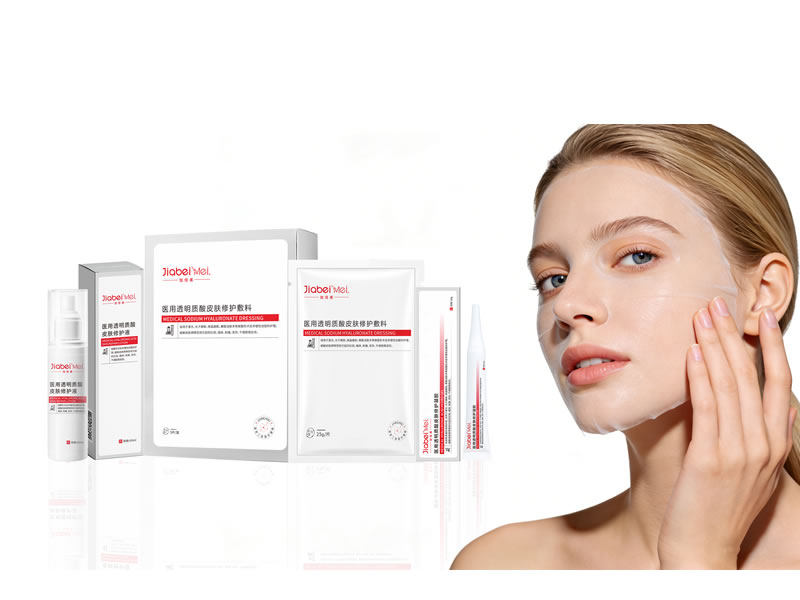
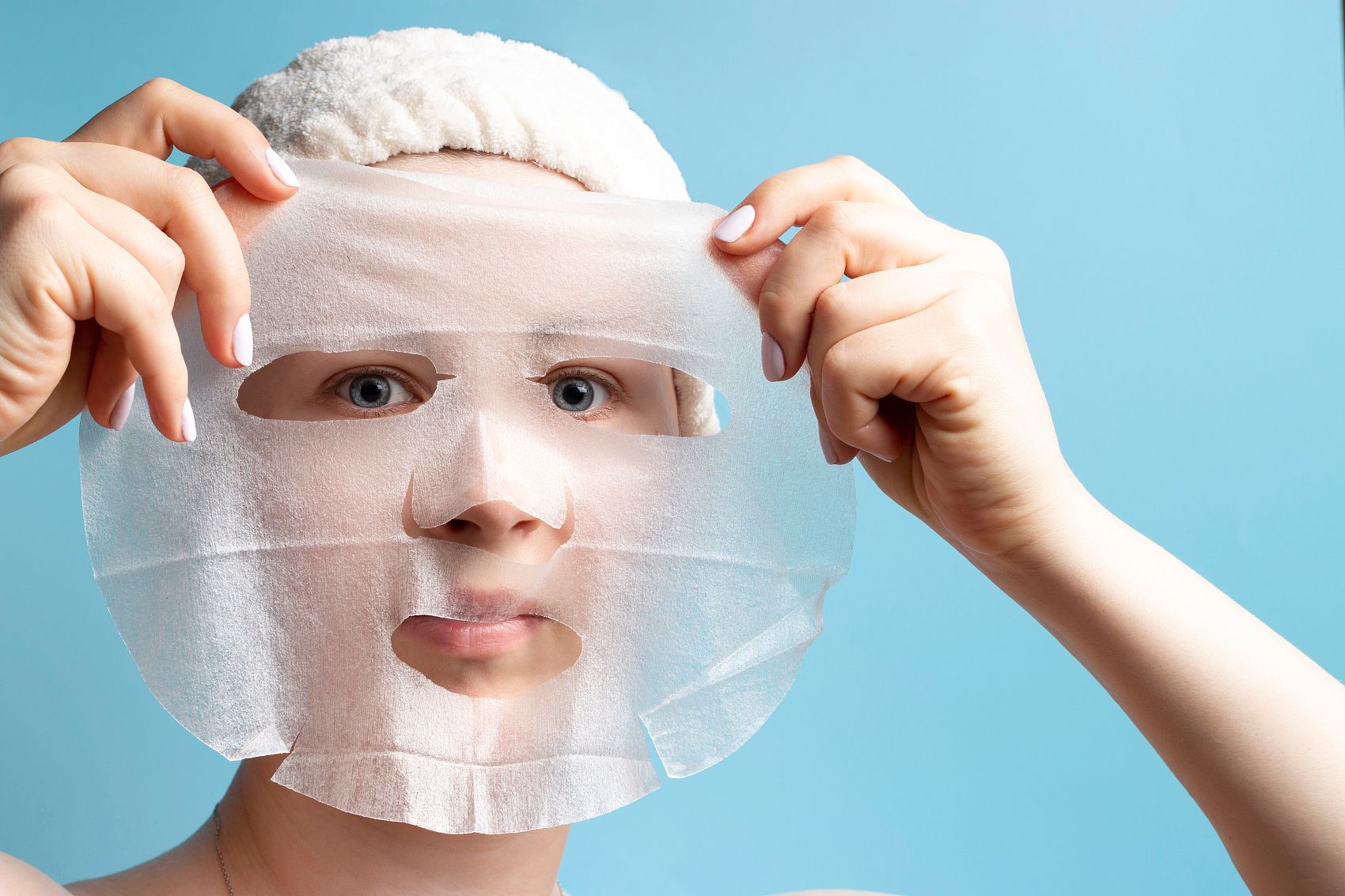
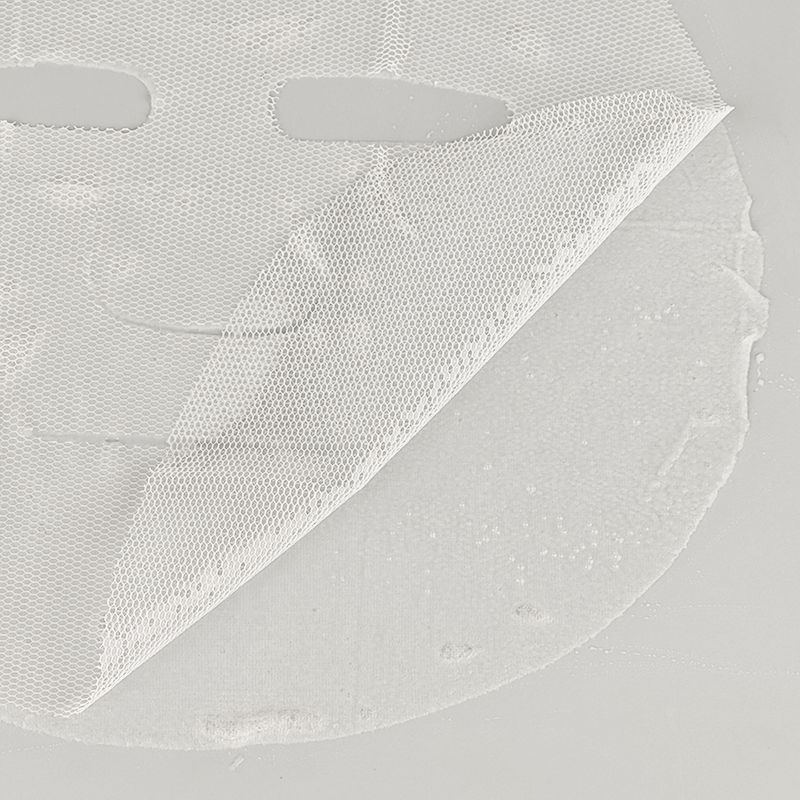
Medical hyaluronic acid skin repair dressings combine active ingredients like hyaluronic acid, glycerin, and alginate with non-woven fabrics. Applied topically to skin injuries, they align with the "wet wrap therapy for severe barrier damage" recommended by the Chinese Society of Dermatology (CSD), promoting epidermal regeneration, reducing inflammation, and forming a protective film.
Daily care recommendations include the use of emollients containing natural moisturizing factors (NMFs) and lipid supplements (such as ceramides and cholesterol) to repair the skin barrier.
Hyaluronic acid can serve as an adjuvant to enhance moisturizing effects, particularly in relieving dryness and repairing the skin barrier.

Postoperative repair requires medical dressings or gels containing hyaluronic acid, growth factors, and antioxidants, which work synergistically to meet repair needs.
Hyaluronic acid lowers skin irritation through hydration, growth factors inhibit inflammatory factor release, and antioxidants scavenge free radicals, collectively alleviating postoperative redness, swelling, heat, and pain.
Hyaluronic acid promotes keratinocyte migration, and growth factors accelerate cell proliferation and differentiation, shortening the recovery period.
The combination of hyaluronic acid and dressing materials forms a physical barrier, reducing irritation from external pollutants and ultraviolet rays and maintaining a stable skin microenvironment.
Recommended Care Approach: The KDA guidelines explicitly recommend combined use of hyaluronic acid-based moisturizers and regenerative repair creams postoperatively to synergistically promote skin barrier recovery.
Core Care Objectives: Combined care effectively reduces adverse reactions such as postoperative erythema and desquamation, accelerates barrier restoration, and improves recovery outcomes.
Representative Brands: Clinically common brands include Mediheal and Dr.Jart+, whose product combinations are widely used in postoperative care and align with guideline recommendations.
BAD Guidelines' Core Recommendation: For severe skin barrier damage, wet wrap therapy is recommended to create a moist environment using medical dressings to promote barrier repair.
Synergistic Effects of Ingredients: Medical hyaluronic acid skin repair dressings combine hyaluronic acid, glycerin, alginate, and other active ingredients with non-woven fabrics. Hyaluronic acid locks in moisture, glycerin enhances the stratum corneum's water content, and alginate protects cells, forming a multi-effect repair system.
Conformity Analysis: This dressing achieves a "wet wrap" effect through localized application, meeting the BAD guideline's requirement for "non-irritating occlusive dressings to avoid secondary damage." Its ingredient combination effectively reduces TEWL and accelerates the repair process for damaged barriers.
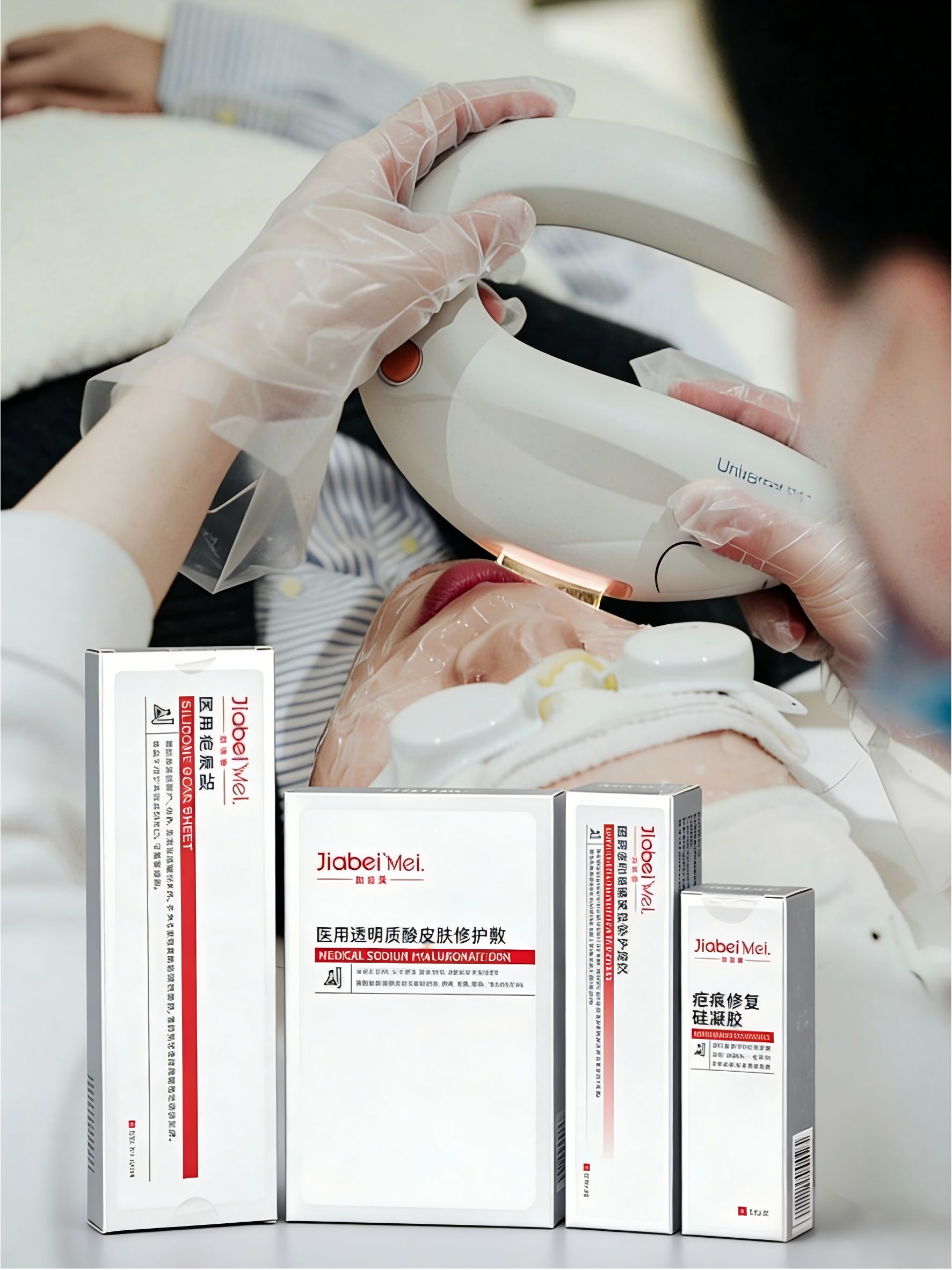
Hyaluronic acid reduces TEWL, alleviating symptoms such as erythema, pruritus, and burning. European guideline studies demonstrate its ability to enhance and repair the skin barrier (J Eur Acad Dermatol Venereol, 2020).
Emulsions containing hyaluronic acid can significantly increase skin hydration and reduce pruritus scores in patients with atopic dermatitis (Japanese study, J Dermatol Sci, 2018), accelerating barrier regeneration.
Combining natural moisturizing factors (which require long-lasting hydration) with a non-woven dressing for localized application, it aligns with the BAD guideline's recommendation for "wet wrap therapy for severe barrier damage," forming a protective barrier to reduce external irritation.